
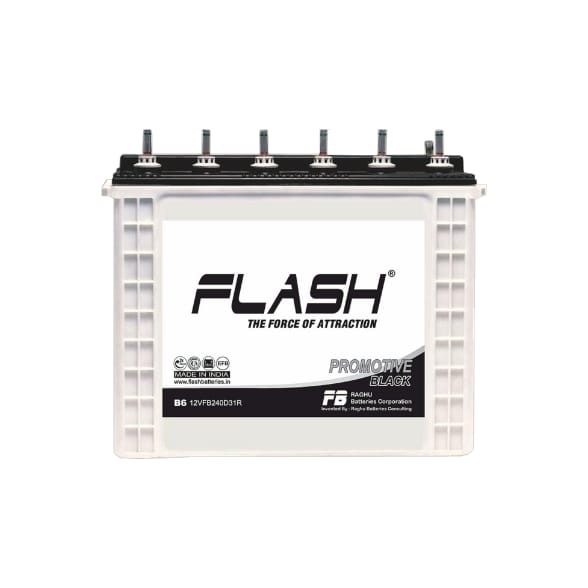
Why HADI High-Pressure Tubular Spines Outlast Flat Plate Batteries in Tropical Climates
An electrochemical explanation of high-pressure HADI spine manufacturing and why it resists positive plate corrosion in tropical heat.
Raghu Batteries Consulting Engineering Desk
Flash Batteries
Why HADI High-Pressure Tubular Spines Outlast Flat Plate Batteries
In regions where ambient temperatures frequently surpass +45°C during summer months, conventional flat plate inverter batteries experience rapid capacity loss after just 18 to 24 months. The fundamental cause is positive grid corrosion and active mass shedding.
1. What is HADI Technology?
HADI is an internationally recognized high-pressure die-casting method used for casting positive spines in tubular lead-acid batteries.
Molten lead alloy is injected into precision steel multi-cavity moulds under hydraulic pressures exceeding 100 bar (1,450 psi):
2. Gauntlet Tube Containment
In a tubular plate, positive active mass (lead dioxide paste) is encased within high-tenacity polyester gauntlet tubes. As the battery expands and contracts during charging and discharging:
3. Real-World Lifespan Comparison
| Feature | Standard Flat Plate | Flash HADI Tall Tubular | | :--- | :--- | :--- | | Cycle Life (80% DoD) | 350 – 500 Cycles | 1,200 – 1,500 Cycles | | High Temp Endurance | Poor (+35°C limit) | Excellent (Operates up to +50°C) | | Recovery from Deep Cut | Sluggish, risk of sulfation | Rapid charge acceptance | | Typical Working Life | 2 – 3 Years | 4 – 6+ Years |